Every year when the weather changes, we make adjustments to our dry ice storage and production system. Even though our storage tank and LCO2 supply lines are optimally insulated and maintained and our Pelletizer (where the Liquid CO2 is turned to solid dry ice) is the best technology there is, the whole system is dynamic. Outdoor temperatures, humidity and atmospheric pressures can change how the system performs. In spring, as temperatures warm, pressure inside the storage and supply system can increase. To avoid over pressure inside the pelletizer we must adjust the inlet valves of the extruder cylinders to compensate. In the fall as weather cools, pressure adjustments are again required.
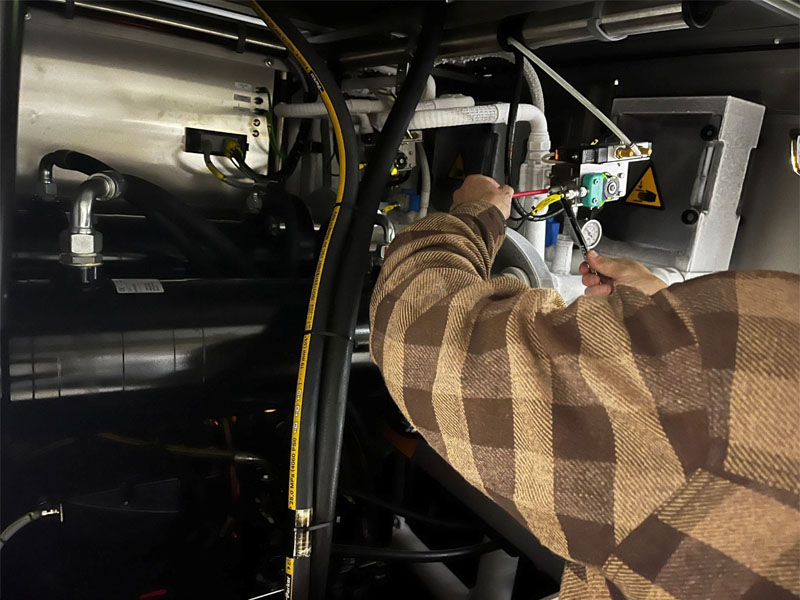
Since it is that time of year, we thought it would be a great opportunity to introduce people to how a dry ice plant works and share some photos from under the hood of our pelletizer as we did our tune up. First an overview of a dry ice plant.
What Does a Dry Ice Production Facility Look Like?
Below is a stylized dry ice production layout (courtesy of Cold Jet):
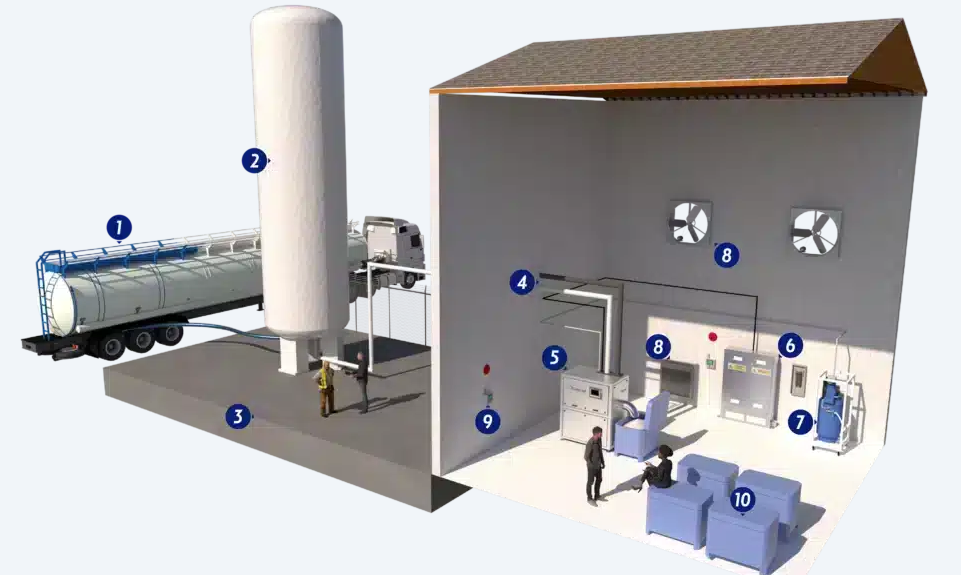
- LCO2 Tanker: Typical Capacity is 42,000 lbs of LCO2
- LCO2 Storage Tank: Liquid CO2 is stored in an insulated, pressurized tank (typically at 16–22 bar / 232–319 psi).
- Reinforced Concrete Foundation
- Insulated Line Connecting Storage Tank to Pelletizer
- PR750H Pelletizer
- 3-phase Power Source
- Compressed Air
- Ventilation
- CO2 Monitor
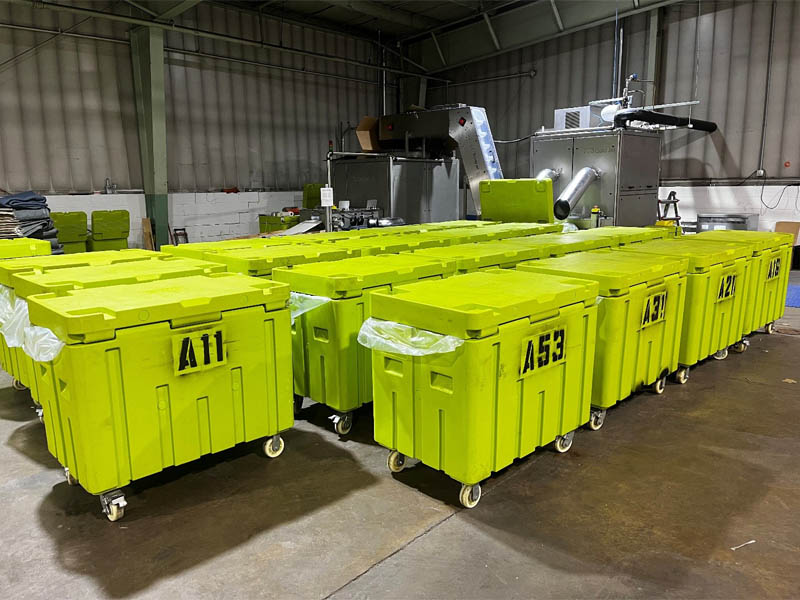
- Insulated Totes to Deliver Dry Ice to the Customer
How Does the Dry Ice Production Process Work?
Industrial CO2 Production and Supply: Industrial Gas Companies recover CO2 as a byproduct from industrial processes such as ammonia or ethanol production. The CO2 is chilled under pressure (liquefaction) by the gas company into a liquid state for storage and transport. The Liquid CO2 (LCO2) is moved around the country by pipeline and rail car to distributions centers. From there tanker trucks take it to facilities like Top Dry Ice Manufacturing and inject it into a storage tank.
LCO2 Storage and Supply: From the Storage Tank, a supply line insulated to maintain ultra-low temperature brings the LCO2 to the Pelletizer where it will be turned into dry ice. The dry ice is extruded through dies to the desired particle size.
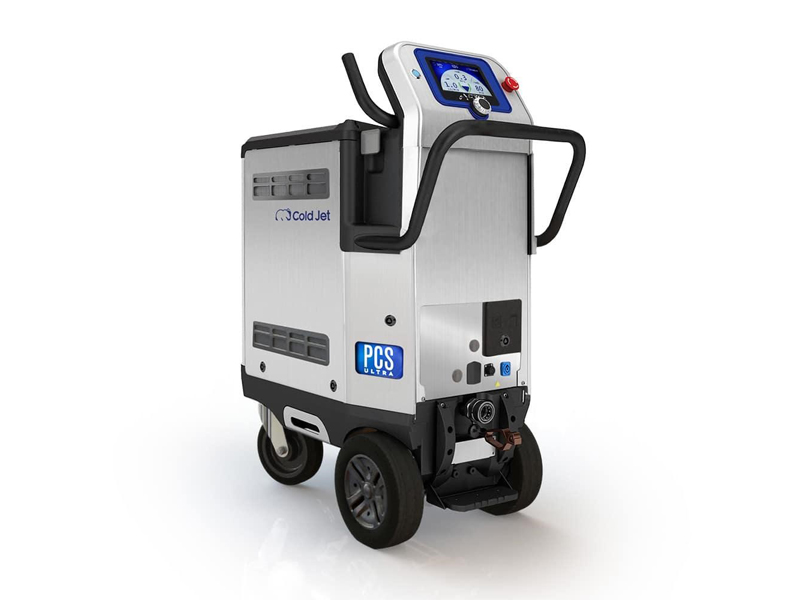
Dry Ice Production – The Pelletizer: Our Pelletizer is manufactured by Cold Jet, the leader in dry ice technology. The PR750H Pelletizer can produce particles of 3mm, 6mm, 10mm, and 16mm diameters and make up to 1,653 LBs of dry ice per hour. What makes the PR750H THE industry standard?
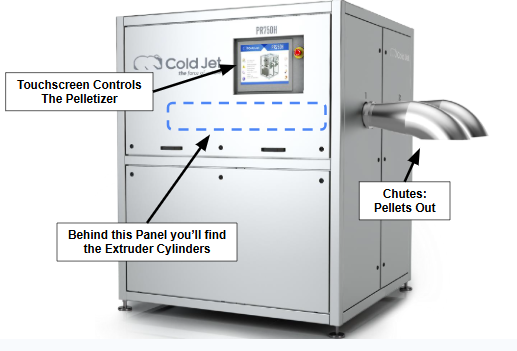
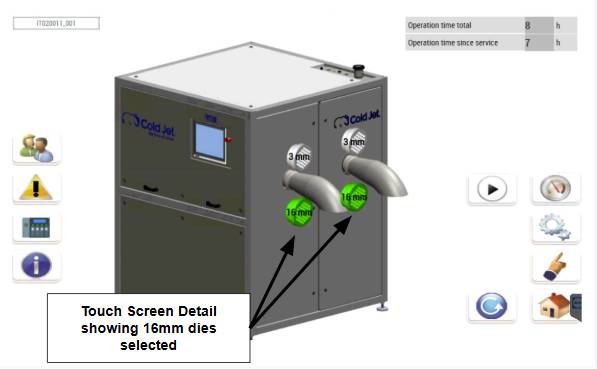
Beckhoff Industrial Controls the PR750H is a smart machine equipped with Beckhoff industrial controls that sense and operate all the mechanical actions in the Pelletizer. The Pelletizer can be run manually on the touch screen, or remotely via internet. For instance, changing die plates to produce different sizes of pellets used to be a manual task. The PR750H has automated the process, allowing the user to change die plates just by making a selection on the touch screen
Cold Jet CONNECT is a monitoring and support platform used by Cold Jet’s Customer Support Technicians for diagnostics and troubleshooting of the PR750H. Cold Jet Technicians can remotely operate the Pelletizer and correct issues via the Beckhoff Controls. Cold Jet CONNECT captures real-time machine data, including usage and runtime, to inform preventative maintenance scheduling.
How does the PR750H Pelletizer Make Dry Ice?
To begin the ice making process, the operator chooses the size pellet to be produced on the touch screen. 3mm particles are used for dry ice blasting and for forming dry ice slices or blocks in the Cold Jet R1000H Pellet-to-Slice Reformer. 16mm pellets are especially handy for frozen shipping of food, medications and biological samples.
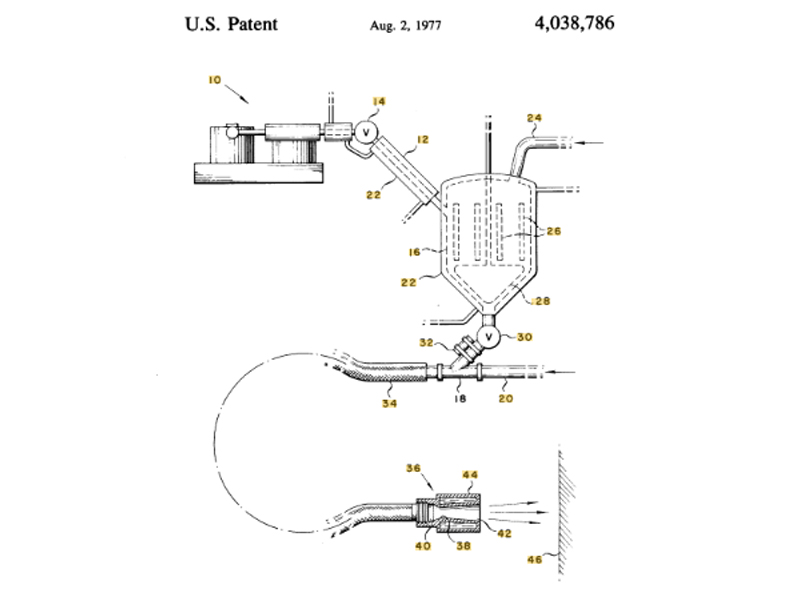
LCO2 Injection: After pressing the “on” icon on the screen, the cycle begins with the Hydraulic Piston in the fully retracted position and the Extruder Cylinder empty. Liquid CO2 from the supply line is injected into the Cylinder through a nozzle. No longer under pressure, the LCO2 flashes into dry ice snow. This is the same phase change that produces the snow from a CO2 fire extinguisher.
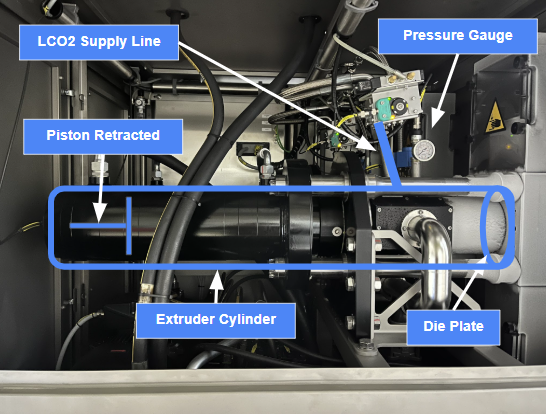
Once the cylinder is filled with dry ice snow, the Hydraulic Piston begins its forward stroke. This process is divided into two distinct functional movements:
Snow Consolidation: AKA “The Pillow” As the piston advances, it first encounters fluffy, low-density dry ice snow. This first part of the stroke compresses the snow against the die plate. This forms a solid mass called a “Pillow” within the cylinder.
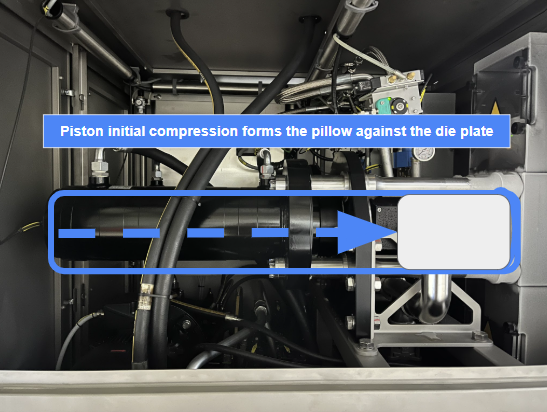
Once the Pillow is formed, the piston continues along its path compressing the now-solid pillow into a dense dry ice mass that is forced through the die holes to create pellets.
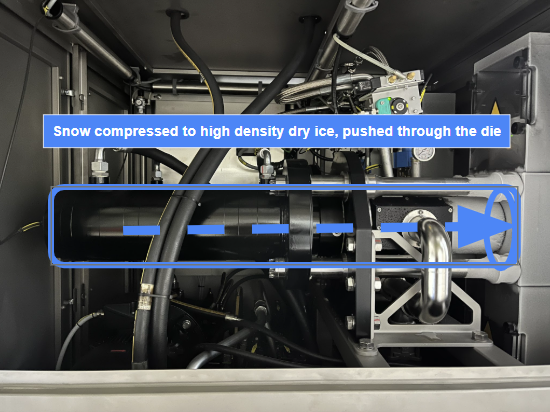
If warming weather causes the LCO2 supply system to contribute too much pressure to the Extruder Cylinder, the over pressure will be sensed, and the piston will not be allowed to complete a full stroke. This avoids over stressing components and possibly damaging the gas filter. While it protects the Pelletizer from damage, this shortened stroke means less dry ice is produced per extrusion.
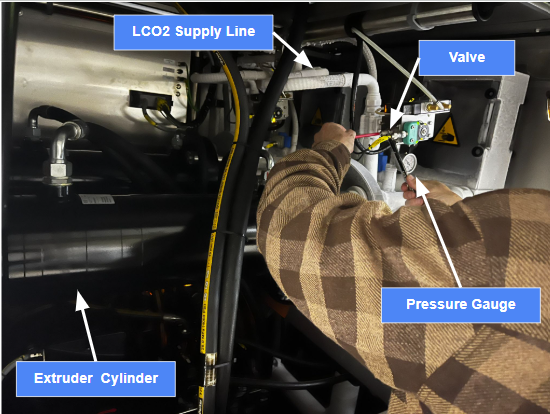
Which brings us back to the beginning of our story. To bring the process back to full production capacity, we manually adjust the inlet valve to lower the pressure in the Extruder Cylinder to within the acceptable range. Now that the Pelletizer is operating within the correct pressure range, the piston can fully extend safely, and the cycle yields the maximum amount of dry ice possible.
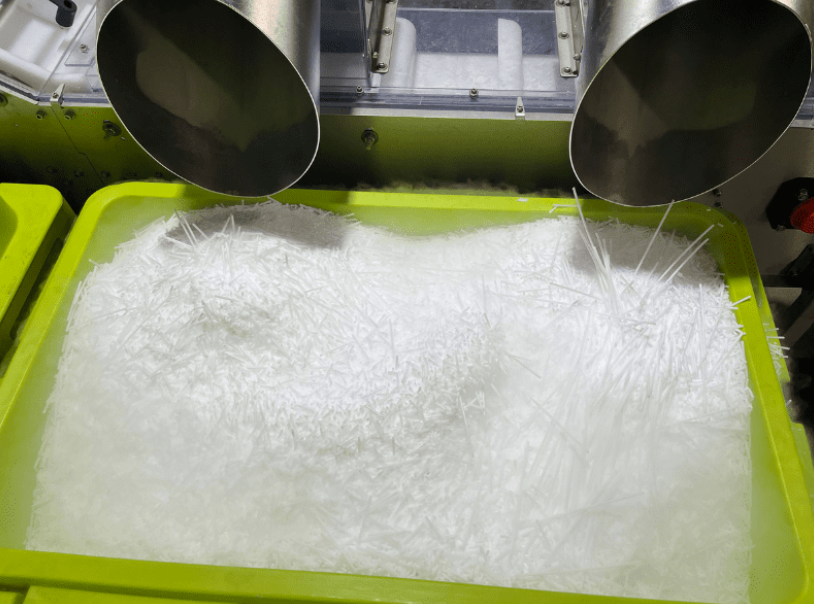
The extruded dry ice (pictured above are 3mm diameter pellets for dry ice blasting) looks like spaghetti as it exits the chutes. Crackling cold and brittle, gravity breaks the strands off and they fall into the insulated tote. By the time the dry ice reaches the customer, the agitation during transport will further break these strands down to uniform-sized pellets.